
Beyond the Bergdorf Windows: On boundaries, grief, money and the pressure to be jolly
This year there's an orange garland menorah hanging over my table and butter place cards waiting for Hanukkah dinner. I love this season — the hosting, the twinkle lights, watching The Holiday repeatedly in my sweatpants for three months straight. And yet.
Beyond the mistletoe, the candles, classic movies, enticing treats, ornate decorations and the onslaught of lofty expectations for happiness, altruism and gratitude, l
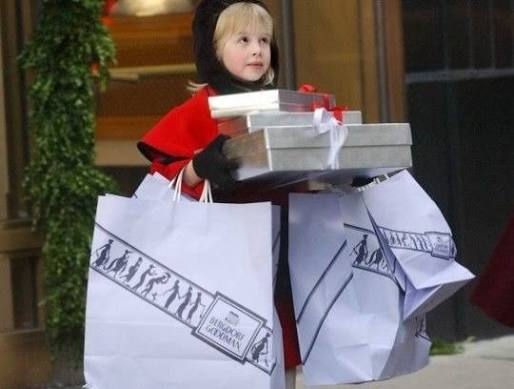
ies the not-so-jingle-worthy reality that the holidays are also stressful, overindulgent, grief-stricken, lonely, expensive and, dare I say, sad. A picture-perfect holiday doesn't actually exist, no matter what the windows at Bergdorf Goodman sell us.
There are the gift lists, the family obligations, the holiday work party I'm surprised HR still allows. And there are the reminders of those who've passed, or people who are no longer in our lives — the reality that exactly one year later, everything has so drastically changed, or in fact nothing has. The holidays are a perfect opportunity to celebrate what we have; they also serve as a reminder of where we are, sometimes forcing us to face old wounds or hard memories from holidays past.
Of course, dwelling on sadness is not productive; acknowledging it is. Every December I hear the same not-so-merry feelings — from clients, from friends, from myself — and I want to offer some space for them, along with a few ideas for how to deal. As always, my recommendations will never supersede enrolling in your own therapy, but I hope my words can help bolster whatever small spirit is there within you.

Consideration No. 1
FOOD, ALCOHOL AND YOUR BODY
This one can be hard. 'Tis the season of nonstop feasting, cheering, buying overpriced peppermint mochas, latkes, vodka and constant nibbling on salt and sugar. If you are only planning to attend one celebration, then by all means go all out and enjoy the three pieces of cheese from the charcuter-tree you managed to stuff in your mouth while talking to five other people, two cookies you snagged on your way out and espresso martini consolidated hangover. However, many of us have a holiday brunch at work, Friendsgivings, school events, an actual Thanksgiving, eight nights of Hanukkah, ornament exchanges, gingerbread house parties, The Holiday–themed dinner parties if we're lucky — the list doesn't stop.
And the tricky part is that we shouldn't be restricting our access to joy, which for most of us includes some special meal or dessert this time of year. It's also cultural, and we don't want to disrespect anyone who's worked hard to share something with us. Alcohol appears to connect us, yet I have come to realize it actually connects the wrong parts. We aren't really experiencing deeper intimacy while under the influence; we are just standing closer with stronger shields around us.
We aren't really experiencing deeper intimacy while under the influence; we are just standing closer with stronger shields around us.
There is nothing wrong with indulging. The goal is just to feel good overall, and so I recommend mindfulness rather than restriction. Ask yourself: How do I actually feel right now, regardless of what's in front of me? What does my body actually need? How might this meal hit after a few days of enough rest, water and protein versus three days of nonstop sugar, poor sleep and little movement?
It's not about being perfect; it's about having the fuel to enjoy this season. In a sea of Christmas cookies, eat a few vegetables a day. Get enough sleep. Find one small practice to do consistently, like a ten-minute walk up and down the stairs at the office while you listen to something fun. I see it again and again with clients: consistent movement and good nutrition soften so much of the anxiety and low mood this time of year brings. A little care goes a long way.

Consideration No. 2
FAMILY COMES FIRST — HOWEVER
The holidays are meant to be joyous. But many of us feel compelled to do what's expected of us rather than what we actually want to do. It's important for many of us to spend time with relatives and consider the impact of our presence on those we love. At the same time, I wonder if it is at all possible to also do what's best for ourselves or the new family we've created with a partner or children, even in a small way. For example, showing up for the larger family event but also planning something separately that can be communicated beforehand. Individuating from our family of origin can be hard, but creating new traditions is also beautiful.
If you have a hard time being around family but are unable to be away, then perhaps it's time to set some boundaries. Reach out in advance and be specific about your requests. Even if someone pushes back, you have still planted a seed that may eventually grow. Don't engage in any criticism or negativity, but if you must respond to someone's actions, communicate how their behavior — things they have said or done, not who they are — made you feel and what you need moving forward. For example:
"Mom, I often feel judged when you make comments about my relationship status, and I would prefer it not be a topic of conversation moving forward."
"Oh, you are taking what I say too personally. People have a right to ask."
"It's how I feel, and I would appreciate you being considerate of that moving forward."
People who say harsh things are often hard on themselves or hurting. And while having empathy doesn't condone bad behavior, it helps us be less defensive and more forthright about where we stand. We often have more power over how people treat us than we think.

Consideration No. 3
IT'S OKAY TO SAY "NO"
Sometimes it's just too much — three events in one week, multiple stops at various family members' homes, running around while back home to meet multiple friends, Elf on the Shelf. It's a lot. For some of us the response is a happy tired; for others, it's pure exhaustion. I think it's perfectly okay to say no to a few things, and much more polite to do it in your RSVP rather than an hour or two before an event you knew the whole time you'd be unlikely to attend. Relationships built on true respect will be able to handle this without repercussions.
Consideration No. 4
MONEY, MONEY, MONEY
The holidays are expensive — gifts, donations, parties, festive lunches, flights, Uber surge pricing, ugly holiday sweaters, overpriced candy cane matchas — it doesn't stop. Take a moment to sit down and really think about which moments will mean the most to you this season. Which experiences, gifts or charitable donations will feel truly special? Focus on finding a way to manage those the best you can. The rest you can set free along with the two turtle doves.

Consideration No. 5
SOCIAL MEDIA
As if the pressure to be jolly wasn't enough, now we have to share our holiday highlights on social media. As a content creator myself, I have struggled with this one over the years. I do my best to keep my creative work separate from family events, so I take photos beforehand or plan entirely separate shoots — that way I can actually be present. If sharing matters to you, that is entirely okay; just know your "why." The most photographed events tend to be the least fun ones, so if it's important to memorialize, hire a photographer or assign guests photo shifts. Better yet, hand everyone a disposable camera when they arrive. Oh, what fun that would be!

Consideration No. 6
MAKE ROOM FOR GRIEF
The holidays are shouting LOSS for anyone who's lost someone or something. It's a big anniversary every year that, unlike a birthday or date of death, you can't avoid as easily. I suggest everyone schedule time to be sad, schedule time to memorialize a family member who's passed, perhaps create a new ritual. It can be as simple as bringing flowers to a gravesite, recreating a special dish, reciting a poem or attending a matinee and crying it out alone. The goal is to know you have a place to release the emotions; this is how we move through them. And for the record, crying always stops and a little bit of relief comes. Don't be afraid to let it out. Your love for this person will never end, but you will learn to live with the loss and experience joy again.
If you feel overwhelmed, please seek treatment with a therapist through insurance or private pay. Here are some additional resources to help, you are never alone.
988 Suicide & Crisis Lifeline: Call or text 988
National Domestic Violence Hotline: 1-800-799-SAFE (7233)
SAMHSA National Helpline (mental health and substance use): 1-800-662-HELP (4357)


Comments